
Last updated September 19, 2026
Full 25-point door and opener safety check with every visit - springs, cables, rollers, tracks, and your LiftMaster or Chamberlain opener included
You get a price before we start. It does not change when the truck arrives.
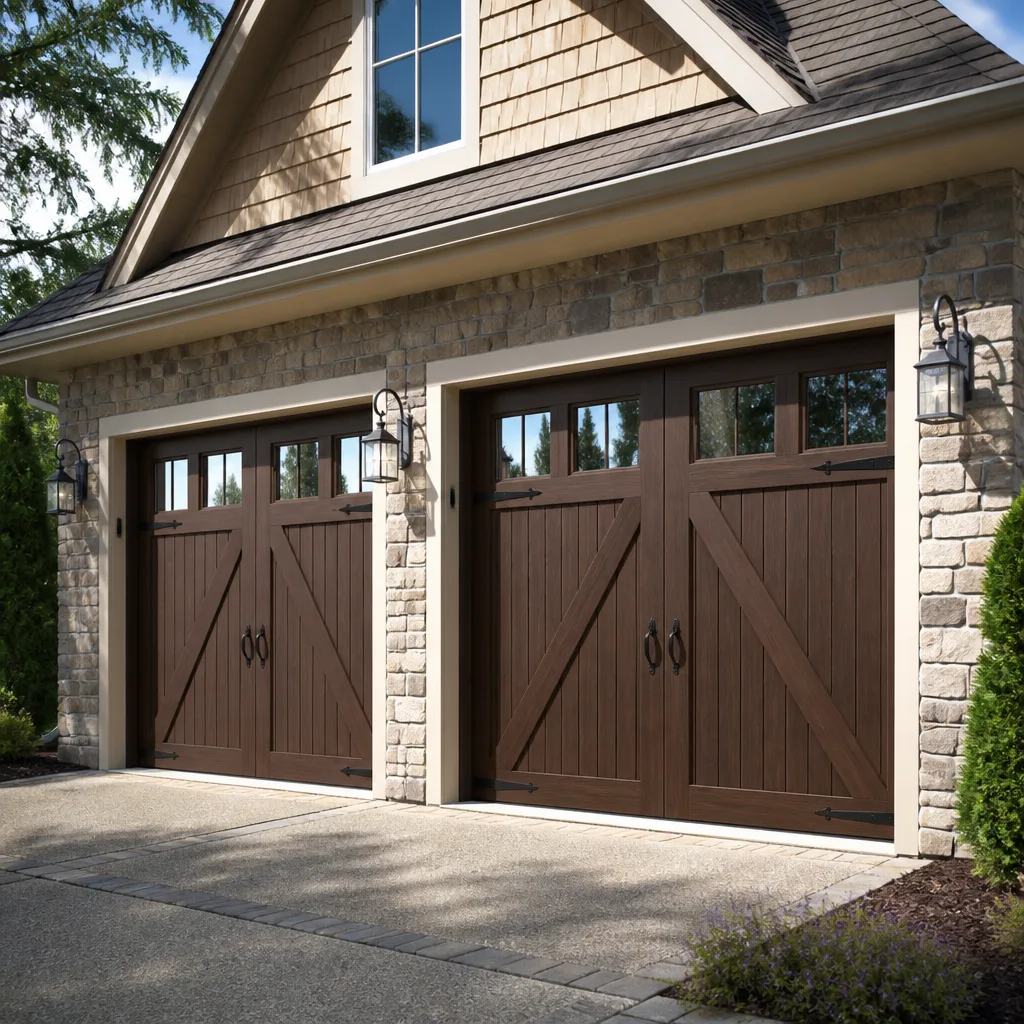
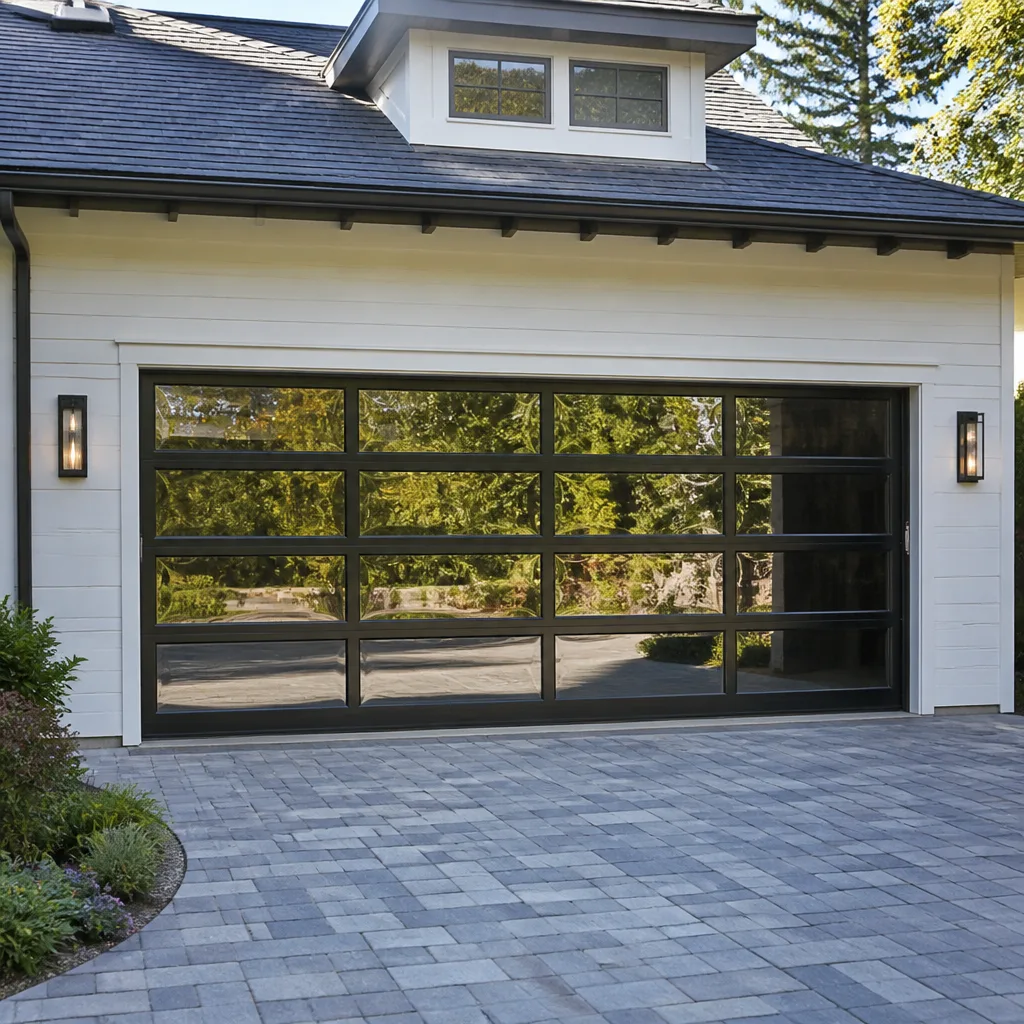
Modern flush
LiftMaster openers
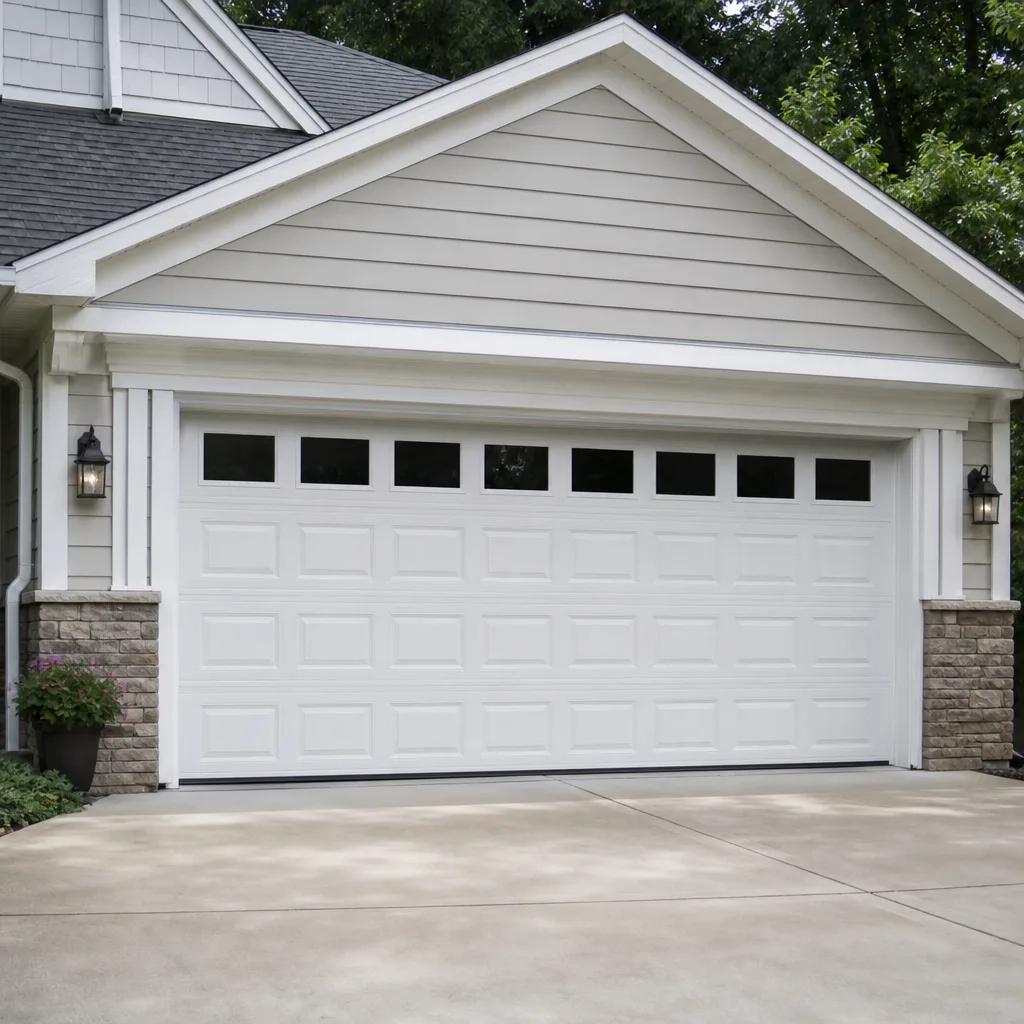
 Before
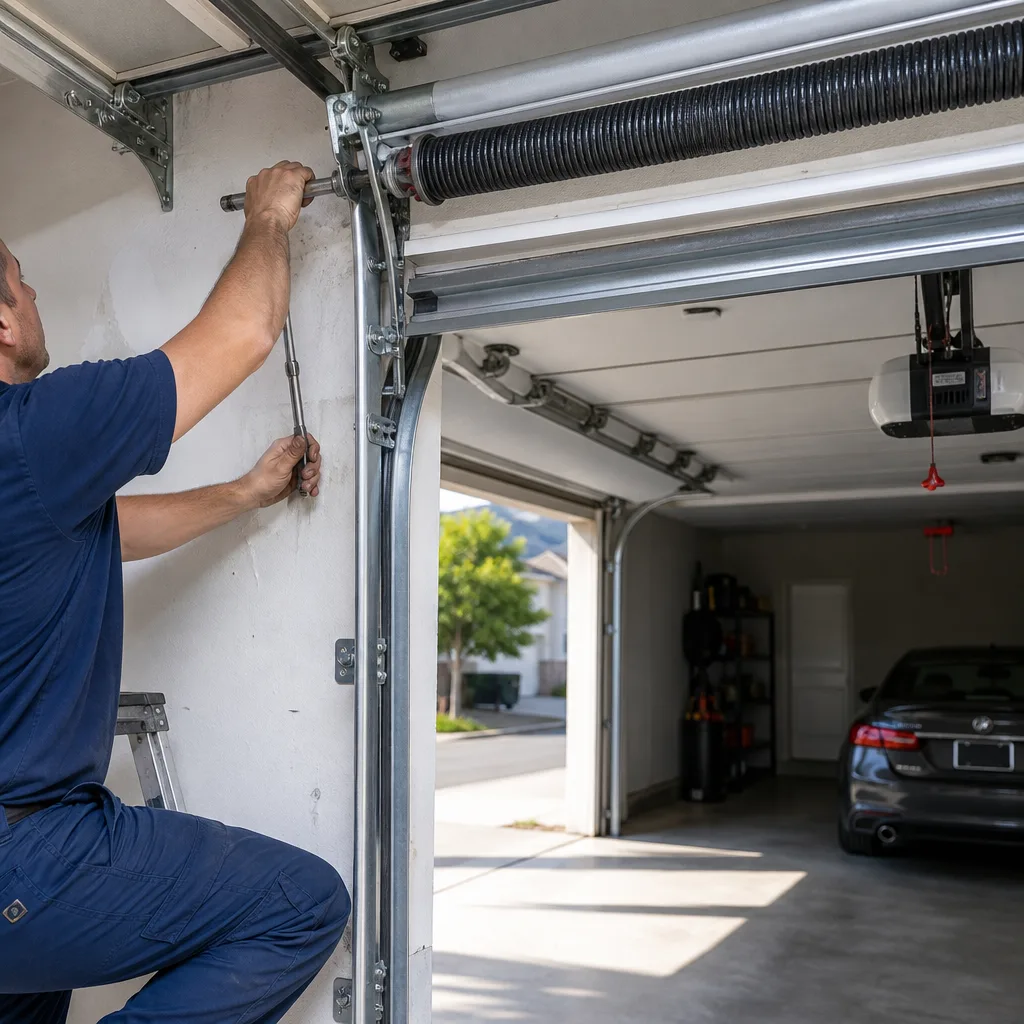 After
After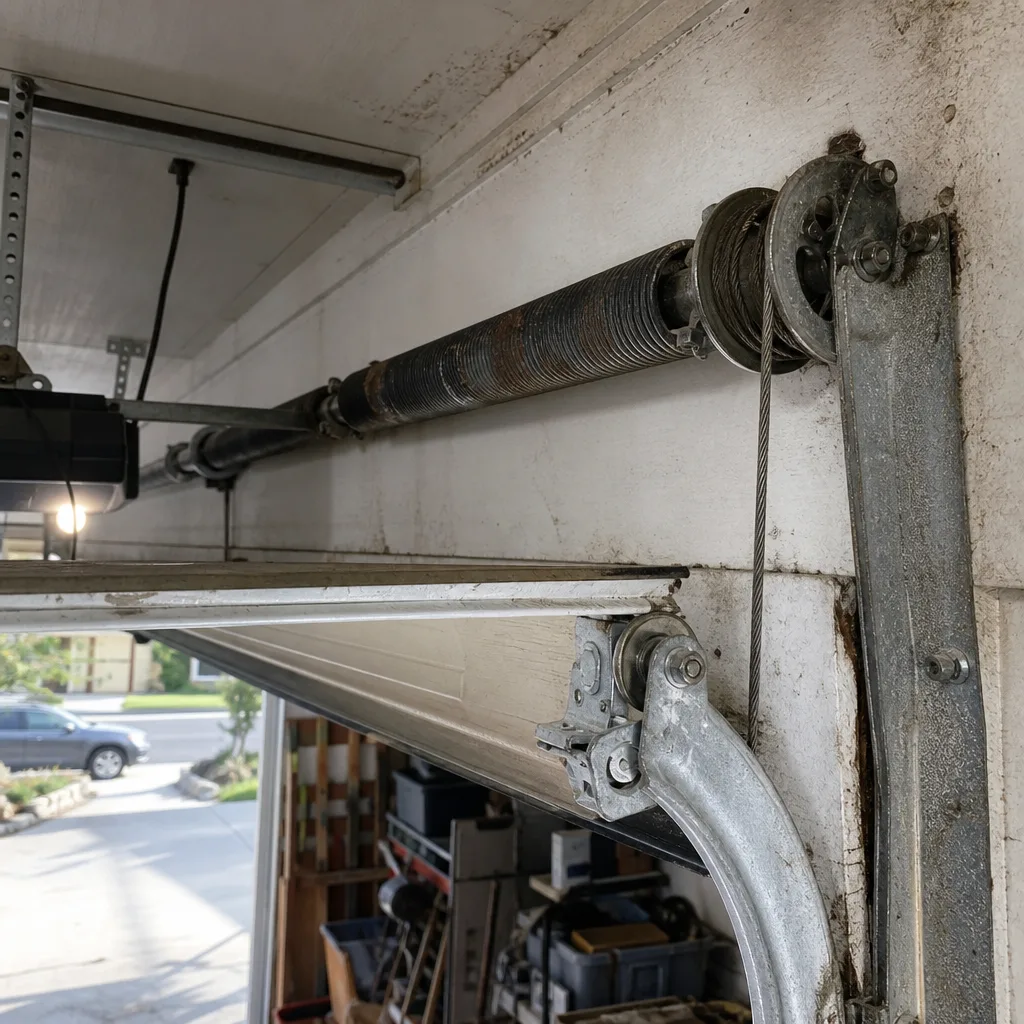 Before
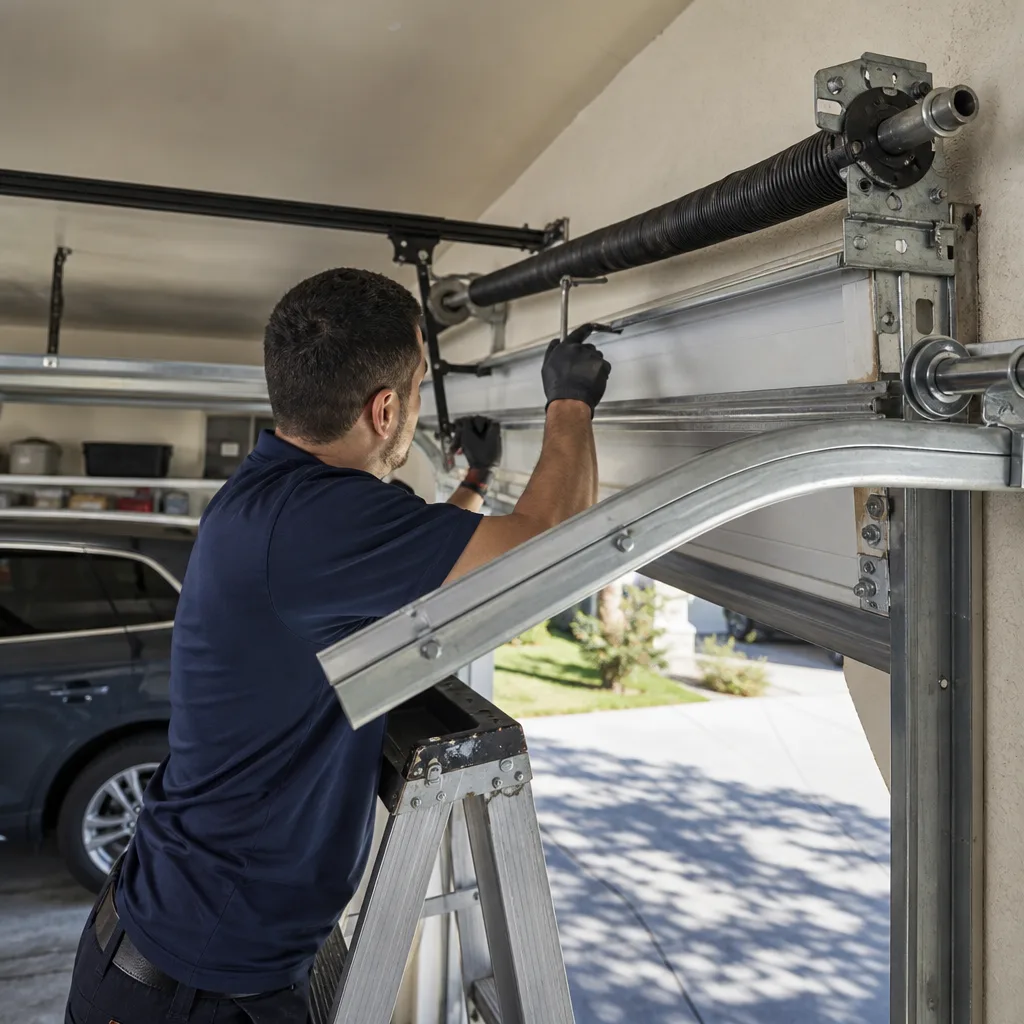 After
After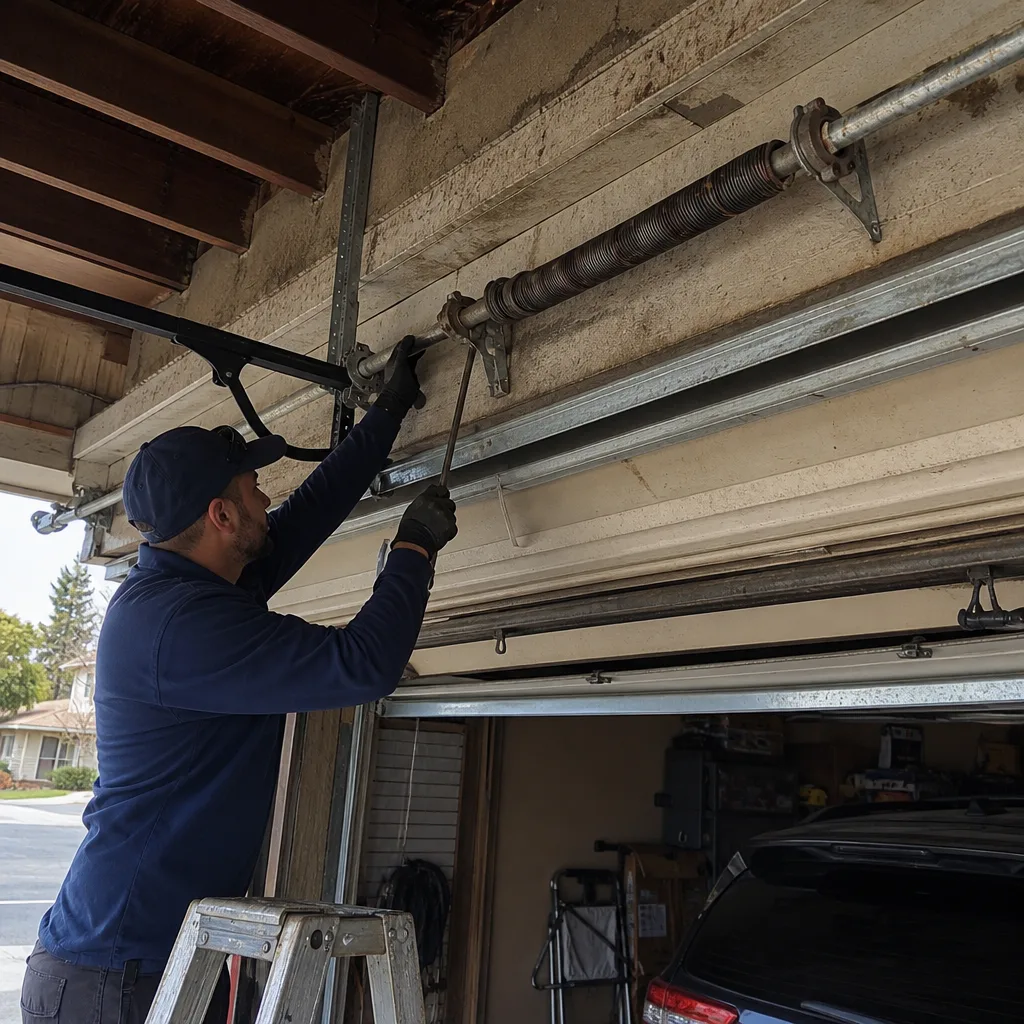 Before
 After
AfterGarage Door Cost Breakdown: The Santa Clarita Homeowner’s Reference for 2026
A spring replacement quoted at $180 and one quoted at $380 for the same door weight and spring type are not describing different quality. They are describing different invoice structures. One quote prices the spring and the labor to install it. The other prices the spring, the labor, a “safety inspection,” a “tune-up,” two roller replacements you did not ask for, and a “service fee” that was never mentioned on the phone. The gap between the lowest and highest garage door quote in Santa Clarita for identical work regularly exceeds $400, and the variable is almost never material cost. It is how the labor scope and secondary items are written onto the invoice before work begins. This guide shows you the actual 2026 price ranges for the ten most common garage door jobs in Santa Clarita, broken into parts and labor separately, so you can audit any quote line by line and know which items belong on the invoice and which ones were invented to inflate it.
Quick Answer
Garage door repair costs in Santa Clarita in 2026 typically run $95 to $480 for the ten most common jobs, with spring replacement at $180 to $340, opener replacement at $290 to $550 installed, and full door replacement at $1,200 to $4,200 depending on material. Parts account for roughly 35 to 40 percent of a fair quote; labor and equipment make up the rest. The single most important number on any quote is the part specification, not the total, because a quote without part numbers or wire diameters is not a quote. It is a placeholder someone plans to fill in later at your expense.
Table of Contents
- 2026 Price Ranges for the Ten Most Common Garage Door Jobs in Santa Clarita
- Parts vs. Labor: How a Fair Quote Is Actually Structured
- The Legitimate Cost Variables That Change Your Price
- The Illegitimate Line Items That Appear on Inflated Invoices
- The Three Pricing Structures in This Market, and Which One Protects You
- Secondary Items: When a Cable Replacement Alongside a Spring Job Is Sound Advice, and When It Isn’t
- The Quote Comparison Worksheet: How to Audit Any Estimate in Santa Clarita
- Common Mistakes to Avoid
- When to Call a Professional
- Frequently Asked Questions
- The Bottom Line
BeforeAfter2026 Price Ranges for the Ten Most Common Garage Door Jobs in Santa Clarita
These figures come from our own service records in Santa Clarita and the surrounding Santa Clarita Valley as of January 2026, cross-checked against current distributor pricing for the parts named. We do not work from a national pricing database; national averages flatten the market and mislead you. Santa Clarita has specific cost drivers: summer heat cycles that shorten torsion spring life, hard water from the Castaic Lake Water Agency supply that corrodes cables faster than coastal air, and a housing stock built largely between 1987 and 2005 where original doors are now at end of service life. Those conditions do not exist in Dallas or Minneapolis, and they change the math here.
| Job | Typical Parts Range | Typical Labor Range | Fair Total Range (2026) |
|---|---|---|---|
| Torsion spring replacement (single) | $45-$110 | $135-$230 | $180-$340 |
| Torsion spring pair replacement | $90-$220 | $180-$310 | $270-$530 |
| Garage door opener replacement (installed) | $210-$420 (chain or belt drive, LiftMaster, Chamberlain, or Genie) | $80-$130 | $290-$550 |
| Cable replacement (pair) | $20-$45 | $85-$140 | $105-$185 |
| Roller replacement (all rollers, nylon) | $25-$60 | $60-$110 | $85-$170 |
| Track realignment and bolt-down | $10-$25 (hardware) | $90-$150 | $100-$175 |
| Hinge replacement (2-4 hinges) | $15-$40 | $50-$90 | $65-$130 |
| Logic board replacement (opener) | $80-$160 (brand-specific) | $90-$140 | $170-$300 |
| Section replacement (steel, one panel) | $250-$450 | $150-$250 | $400-$700 |
| Full garage door replacement (single car, steel) | $700-$2,100 | $500-$900 | $1,200-$3,000 |
| Full garage door replacement (double car, steel or wood composite) | $1,400-$3,400 | $700-$1,100 | $2,100-$4,500 |
Two notes before you use these numbers. First, note that the opener replacement line includes the unit itself. A LiftMaster 81602 belt drive retails around $240 to $300 at local supply houses; a Genie 7155 runs $180 to $220. If a quote shows $700 for an opener replacement with no brand or model number listed, ask what unit they are installing and what it costs at retail. You should be able to verify it in thirty seconds on your phone.
Second, the spring ranges assume a standard 7-foot, 16-by-7 or 16-by-8 door under 250 pounds. Heavier doors, such as wood overlay Carriage House doors common in Valencia and parts of Saugus, require heavier wire diameter springs, which add $15 to $40 per spring. Cycle rating matters too: a 25,000-cycle spring costs more than a 10,000-cycle spring, but it lasts roughly two and a half times longer. The $180 spring quote and the $380 spring quote for the same door are, in fact, often the same spring. The difference is what got added to the invoice. We will get to that.
Parts vs. Labor: How a Fair Quote Is Actually Structured
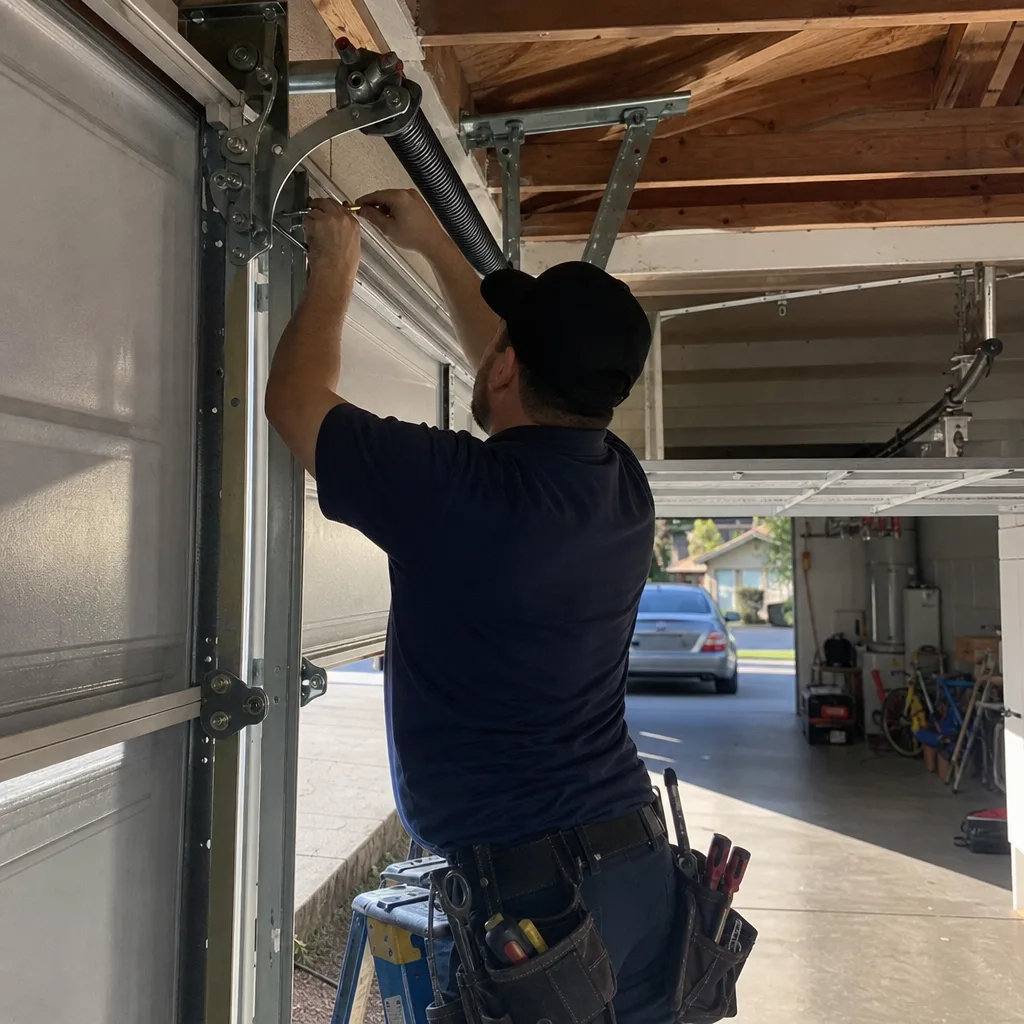
Every legitimate garage door quote in Santa Clarita should separate parts from labor, and neither category should be a round mystery number. Here is what fair looks like on paper.
Parts are the physical components: springs, cables, rollers, hinges, tracks, the opener unit itself. A responsible quote lists the part by name, specification, and often a manufacturer part number. For a torsion spring, the specification includes wire diameter (for example, 0.234-inch), inside diameter (2-inch), length (24 to 32 inches), and winding direction (left or right). For an opener, it includes brand, model number, horsepower, and drive type. If a quote says “springs” with no specification, you do not yet have a quote. You have a number written on a line.
Labor is the technician’s time, plus truck stock, plus the overhead of keeping a licensed, insured operation running. In Santa Clarita, a fair labor rate for a licensed garage door technician runs $75 to $130 per hour as of early 2026. Most spring replacements take 45 to 90 minutes. That means $135 to $230 in labor on a spring job is normal. When you see a $400 spring replacement with $150 in parts listed, the labor line is somewhere around $250, which means someone is charging you for two-plus hours of work that took one, or they folded a “diagnostic fee” into the labor without telling you. Both are common.
We quote every job with a flat, written price and a written scope before any work begins. That is Clause 1 of The Haven Standard, the operating agreement Servo Garage Doors Santa Clarita home works under, and it exists specifically because the parts-labor split is where most homeowners get quietly overcharged. You should expect to see both lines separated, in writing, before you approve anything.
The Legitimate Cost Variables That Change Your Price
Four variables account for nearly all legitimate price movement in the Santa Clarita garage door market. Anything else moving your price by more than $50 deserves a question.
1. Door Weight
Your torsion spring is sized to the exact weight of your door, measured in pounds at the balance point. A standard steel 16-by-7 door with insulation weighs 180 to 240 pounds. A solid wood or wood overlay door, common in the Valencia and Westridge areas, weighs 350 to 550 pounds. The spring for the heavier door has a thicker wire diameter and more torque capacity, and it costs more. This is not an upsell; it is physics. If a technician arrives at your Santa Clarita home and swaps a spring without weighing or visibly inspecting the door, the job was not done correctly.
2. Spring Cycle Rating
A cycle is one full open-and-close of the door. Standard springs are rated for 10,000 cycles, which in a typical Santa Clarita household translates to 6 to 9 years. Higher-rated springs, 25,000 or even 50,000 cycles, cost 30 to 60 percent more but last proportionally longer. For a door that opens and closes four or more times daily, common for families with school-age children in Stevenson Ranch or Saugus, the higher-cycle spring is often the better value long term. A quote should state the cycle rating. If it does not, ask. If the answer is “standard,” that means 10,000, and the price should reflect that.
3. Panel Material
For new door installation, the panel material is the largest single price variable. Uninsulated single-layer steel is the entry point. Insulated steel with polystyrene or polyurethane cores runs 40 to 70 percent more. Wood composite and fiberglass composites, such as the Raynor Aspen series, run two to three times the price of base steel. Full wood doors are the top of the range and require maintenance that most Santa Clarita buyers do not expect when they order them. The summer heat here, with regular daytime highs above 95 degrees from June through September, will test any wood door’s finish within three years. We tell clients in Valencia and Newhall to choose insulated steel unless they specifically want the wood look and understand the maintenance schedule that comes with it.
4. Opener Horsepower and Drive Type
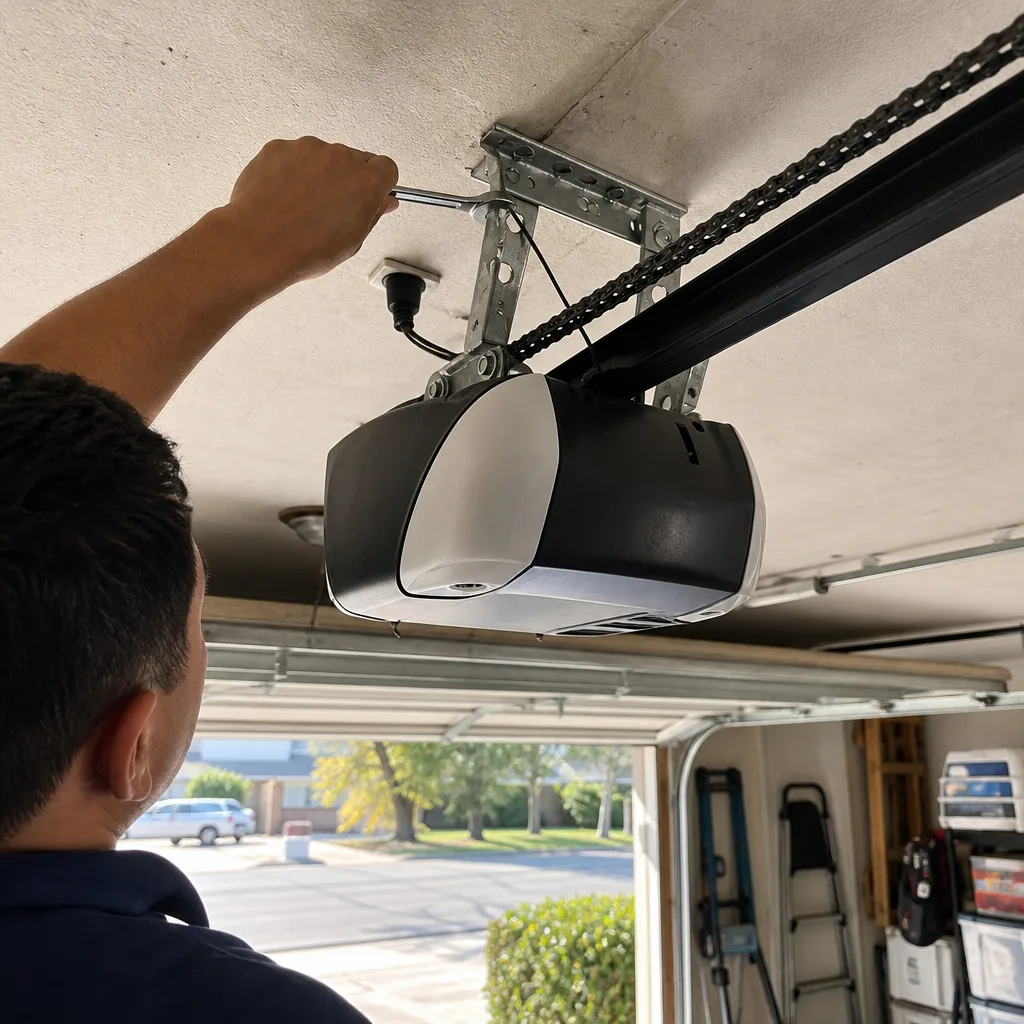
Openers come in 1/2 HP, 3/4 HP, and 1-1/4 HP, in chain, belt, or screw drive. A 1/2 HP chain drive will open a standard aluminum or thin steel door reliably for years; it is the economy option, and on a lightweight door it is fine. Heavier insulated doors do better with 3/4 HP or above. Belt drives cost $50 to $100 more than equivalent chain drives and are quieter, which matters if you have a bedroom over the garage, a layout common in newer Canyon Country construction. The opener brand matters for parts availability: LiftMaster and Chamberlain are the two most common installations in Santa Clarita, and a Genie unit is perfectly serviceable, but if you have a dealer-specific brand and no local service center, parts wait times go up. We service all eight major brands, including Garage Door Opener Repair & Installation in Santa Clarita, and the parts reality is something we tell every customer before they buy.
The Illegitimate Line Items That Appear on Inflated Invoices
Here is the list of what gets added to Santa Clarita garage door invoices when a company’s model depends on padding the total. These are the items that move a $200 spring job to $400.
- The “safety inspection” line. Any reputable garage door technician does a basic safety check as part of the job. It is not a separate service, it has no separate labor cost, and it should not carry a fee. If you see “$89 safety inspection” on a spring quote, the company is charging you for something they were already in the room doing.
- The “tune-up” that was never discussed. A tune-up is a legitimate standalone service: lubricate moving parts, check balance, inspect hardware, test the opener’s auto-reverse. It is not something you should discover as a $120 line item on a spring invoice. If you asked for a spring, the invoice should show a spring.
- Unspecified “rollers.” Most rollers wear out eventually, and a spring replacement is a reasonable time to address them. But the quote should say how many rollers, what type (nylon versus steel bearing), and what each costs. “Rollers: $80” with no count is not a specification. It is a license to swap two and bill for ten.
- The “service call” or “dispatch fee” that appears after the fact. If a company charges a trip fee, it should be stated when you book the appointment, and it should be waived or credited when you proceed with the repair. A fee that materializes on the final invoice without prior disclosure is a breach of the verbal agreement and grounds for refusing to pay that line.
- “Emergency” upcharges on non-emergency calls. Yes, a 24/7 emergency garage door service legitimately charges more for a 2 a.m. dispatch in Canyon Country. But if your door stopped working at 2 p.m. and you called at 2:15, and they arrived at a normal hour, there is no emergency surcharge. The word emergency describes the response time, not the severity of the break.
One more thing, specific to 2026. There has been a national trend of companies adding a “fuel surcharge” or “materials adjustment fee” to invoices without listing it in the quote. For details on local requirements, see Garage Door Permits, Codes & Inspections in CA: What You Need to Know. We have not seen that in Santa Clarita from any of the established local companies, and it has no business appearing here. Gas in the Santa Clarita Valley fluctuates with the same market as everywhere else in Los Angeles County, and a written quote covers it. If the surcharge was not on the written quote, it is not on the invoice. Clause 1 exists because verbal changes after the fact are how honest quotes turn into padded bills.
The Three Pricing Structures in This Market, and Which One Protects You
Every garage door company in Santa Clarita prices one of three ways. Understanding the difference is the single biggest advantage you can bring to any service call.
1. Flat Rate Pricing
The price is fixed before the work begins. You approve a number, the technician does the job, the number does not change. The risk to the company is that the job runs long or a secondary issue complicates it; the risk to you is zero, assuming the flat rate is competitive. The tradeoff: flat rate prices sit 10 to 20 percent above the median time-and-materials price because the company is carrying the overage risk. For most homeowners, that is a fair deal, and it is the structure we use. Our flat, written price and written scope, delivered before any work starts, is Clause 1 of The Haven Standard.
2. Time and Materials
You pay for parts at cost plus markup, plus labor by the hour at whatever the actual time turns out to be. This is the classic structure for complicated jobs with unknown variables, and for certain door installations it is defensible. For spring replacements, it is a bad deal. A 45-minute job quoted as “one hour minimum plus parts” has already cost you fifteen minutes of labor that did not happen, and if the “unexpected” delay appears, you are paying more while the technician goes to the truck for parts that should have been stocked. In our experience in Santa Clarita, time-and-materials is the structure most likely to produce a disagreeable final number.
3. Menu Pricing
The company has a printed or digital menu of prices per service: spring replacement $249, opener install $399, and so on. The price is fixed by type, but the specific parts that go into your specific door may not match the menu’s assumptions. Menu pricing often leaves room for additions: “Oh, your door is heavier, so that spring is a size up. The next tier is $329.” The menu promised a number and then shifted when the truck arrived, which is a version of what we described in the opening. Menu pricing is recognizable because the quote fits on one line and includes no specifications.
Which one provides the most homeowner protection? Flat rate, provided the flat rate includes a written scope with specifications. A flat number with no scope is just menu pricing with extra steps. The scope is the protection. It names the spring by wire diameter and length, the opener by model number, the rollers by type and count. If the price is fixed and the scope is written, there is nothing left to argue about, and no room for the invoice to grow between approval and completion. We write the scope first and quote the price second. The sequence matters.
Secondary Items: When a Cable Replacement Alongside a Spring Job Is Sound Advice, and When It Isn’t
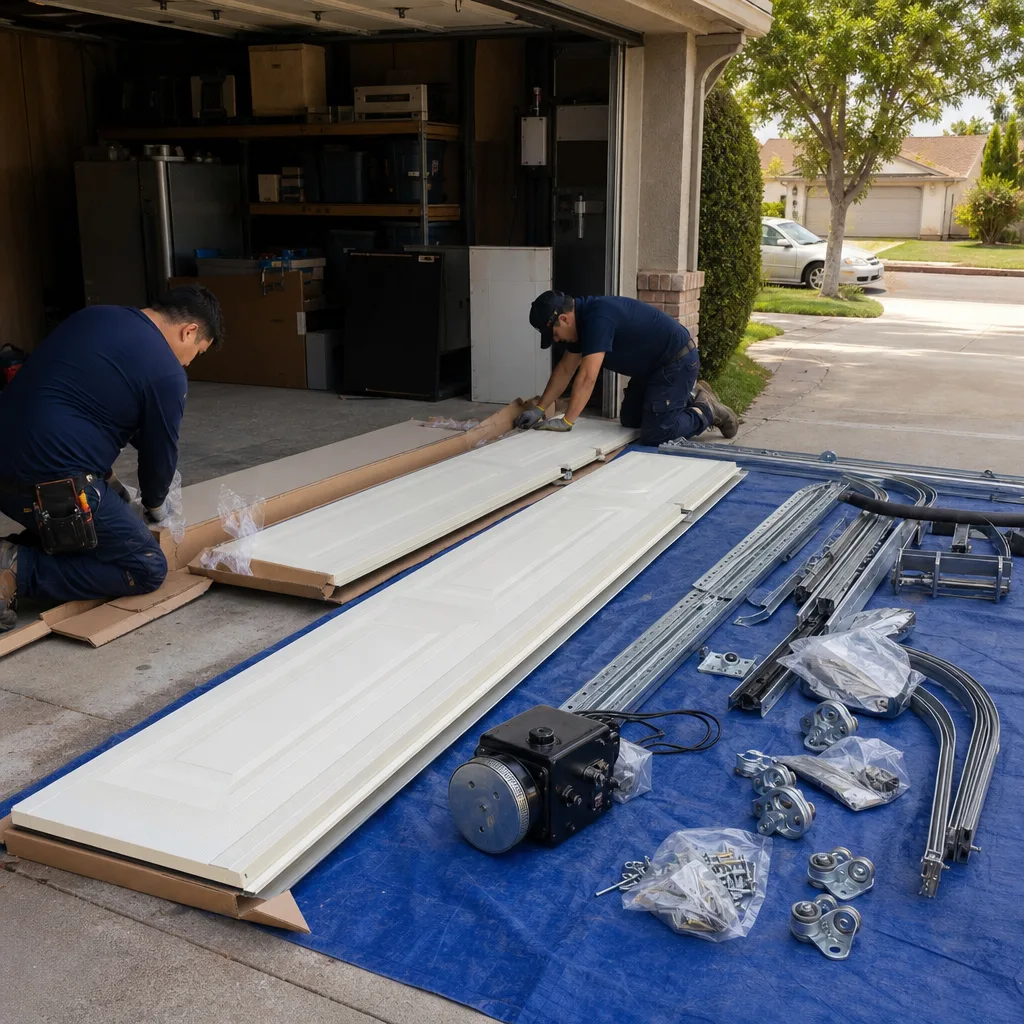
This is the area where honest companies and padding companies diverge most sharply, because secondary items are legitimate in some cases and pure profit in others. Here is how to tell the difference.
When a spring breaks on a torsion system, the cables almost always stay intact because the cables are not under the same torsional stress as the spring. They are under tension from the door’s weight, and that tension is controlled by the spring’s counterbalance. When the spring snaps, the door drops and the cables slack. The cables themselves are often fine. If a technician replaces a broken spring and recommends cables “as a pair, because they wear together,” look at the cables before you approve. Galvanized aircraft cable with clean strands, no fraying, and solid loop ends at the bottom fixture does not need replacement. It might have five more years of life in a Santa Clarita garage.
When should cables be replaced alongside a spring? Three situations. First, visible fraying: broken strands, rust oxidation that has penetrated the cable’s surface, or a kinked section where the cable wraps the drum. Second, evidence of cable slip on the drum: the cable has jumped the grooves repeated times and worn flat spots. Third, mismatch after a door replacement: if a new door went on and the old cables were reused, the cable length may be wrong for the new door’s track radius, and we see this in Santa Clarita remodels on homes built in the 1990s where the door was replaced but the hardware was not. In any of those cases, replace the pair, not one, because a single new cable alongside an aged one creates an imbalance in the lift.
When it is an upsell: the cable is shiny, the strands are full, and the technician cannot point to a specific defect when you ask. “They could go at any time” is not a defect; it is a sales pitch. Ask the technician to show you the worn section. Clause 4, the rule that says the technician photographs the failed part before quoting a replacement, exists precisely for this moment. If there is no failed condition to photograph, there is no replacement to quote. A documented photo record of findings and completed work is included on every visit, not as an optional add-on. The evidence is the point.
The same logic applies to rollers and hinges. Nylon rollers with fine cracks or flattened spots at the bearing are legitimate to replace. So are hinges with visible play when the door is at the halfway point. What is not legitimate is the “might as well while we’re in there” line when the parts show no measurable wear. If the recommendation cannot be tied to a specific condition the technician can show you, decline it.
The Quote Comparison Worksheet: How to Audit Any Estimate in Santa Clarita
When you are comparing quotes, the sheet below is more useful than the total at the bottom of each estimate. The total is the least informative number on the page. Here is the worksheet we recommend to Santa Clarita homeowners.
Required Information for Every Quote
- Company name and license number (should be printed on the quote, not provided on request)
- Date the quote was written
- Part name (not “spring work” but “torsion spring, right-wound, 0.234 wire, 2-inch ID, 26-inch length”)
- Part specification or model number (for openers, the exact brand and model; for springs, wire diameter and cycle rating)
- Part quantity (one spring or two, all four hinges or two, 10 rollers or not specified)
- Labor line item with hour estimate or flat labor charge
- Any additional fees stated in writing (service call, diagnostic, disposal)
- Warranty terms in writing, including what is covered and for how long
- Name of the technician who will do the work, if known
- Total price, fixed, with confirmation that it will not change after work begins
Red Flags That Disqualify a Quote
- No part numbers or specifications anywhere on the page
- A “parts” line that is a single round number with no breakdown
- Labor that seems calculated to produce a total rather than to reflect a real estimate of work
- A quote that says “plus parts” or “subject to change on site”
- Any company that refuses to put the scope in writing before starting
If you have two quotes and one lists part specifications and the other does not, the gap between them is not a price difference. It is a documentation difference, and the cheaper quote with no specifications is generally the more expensive one at the end. A quote without part specifications is not a quote; it is a placeholder. We write the specification first, because that is the piece that makes the price auditable by anyone. Bring us a competing written estimate and we will review it against this sheet. The Garage Door Repair in Santa Clarita team offers a Free Second Opinion on any written estimate from another company, with no coupon required. Bring the paperwork.
Common Mistakes to Avoid
- Approving a verbal quote. If the price is not written, there is no price. In a dispute, the only number that matters is the one on paper. A verbal agreement with a contractor in Santa Clarita is only as good as the contractor’s memory of it, and the contractor’s memory has a financial incentive.
- Choosing the lowest quote without checking specifications. A $149 spring replacement in Santa Clarita almost certainly means a 10,000-cycle spring with the minimum wire diameter for the door, no warranty, and labor folded into a suspiciously low line item. The savings disappear when it breaks in three years.
- Accepting brand-generic descriptions. “Commercial-grade opener” is not a specification. LiftMaster, Chamberlain, Genie, and Raynor make specific models with specific horsepower ratings and drive types. If the quote does not name the model, you cannot verify what you are buying.
- Paying for a second opinion on a repair you already understand. If a company charges to look at a broken spring and quote the fix, that is revenue from service calls, not from service. Many reputable companies, including ours, will provide a written price without a fee for the initial assessment.
- Replacing a door when the opener is the problem. This happens more than you would think. A door that opens three-quarters and reverses is usually not a door problem; it is a limit switch or force setting issue in the opener. Replacing the entire door solves nothing, and a competent technician checks the opener before recommending any door work.
- Ignoring the warranty terms until after the work is done. A 90-day warranty on parts and a one-year warranty on labor are not the same thing. If the spring fails on day 100, the part might be covered but the labor to reinstall it might not. Get the warranty terms in writing before you pay. We back our work with the 365-Day Done Right Promise: if it is not right, we make it right. The terms are documented, not handshaken.
- Skipping the photo record. If a company does not photograph the failed component before replacement and the new part after installation, you have no way to verify what was actually done. The photo record is not an upsell. It is the only documentation that connects the invoice to the work. We include it on every visit, in every case, tracing back to the founding rule Servo was built on in 2015.
When to Call a Professional
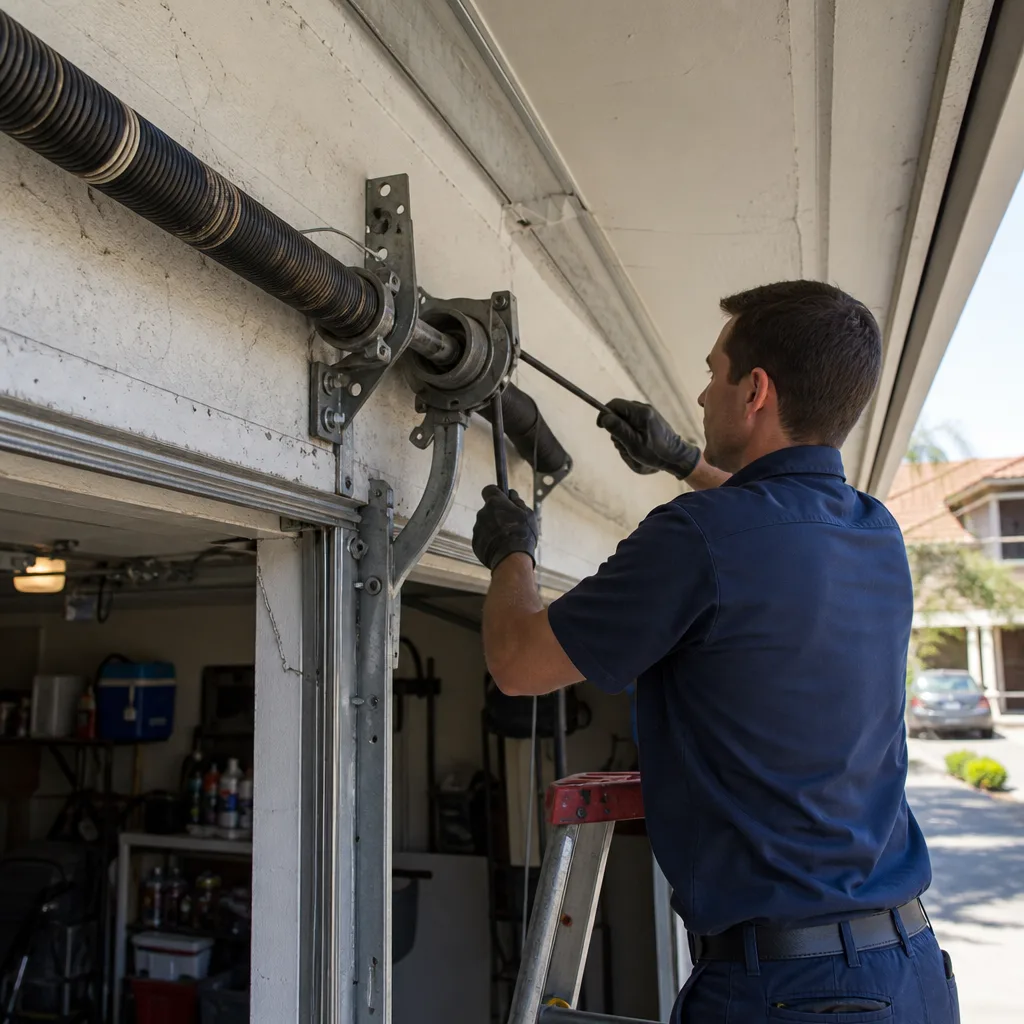
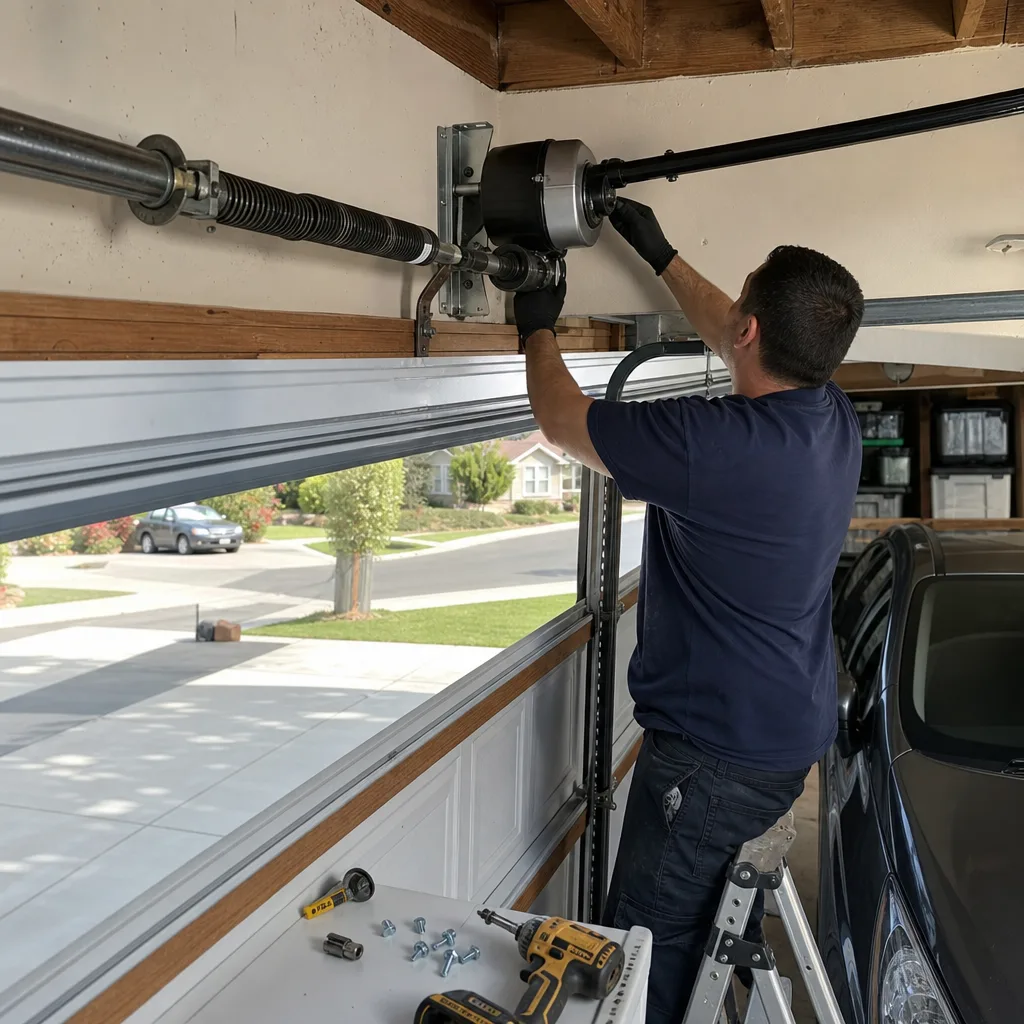
A broken spring is not a DIY job. The torsion spring on a garage door carries the door’s entire weight under tension, and when it fails, the release of that energy can cause serious injury to anyone in its path. For ongoing care tips, review our Garage Door Repair Maintenance Checklist for Santa Clarita Homeowners. The same goes for cables, which can snap under load and lash. These are components under genuine mechanical tension, and the safe move is to leave them alone and call someone who does this daily.
Here are the specific situations that warrant a call: the spring is visibly broken or separated at the coil, the door is heavy when you lift it manually, the door opens unevenly or binds on one side, the opener motor runs but the door does not move, the cable is frayed or off the drum, or the door reverses before closing even after you check the sensors. Any of these means the system is not functioning as designed, and the fix is not a YouTube tutorial away. Servo Garage Doors Santa Clarita offers free estimates in Santa Clarita, and our Garage Door Installation in Santa Clarita service covers new door quotes against the same written-price standard. Call us at (661) 542-4007.
Frequently Asked Questions
A single torsion spring replacement in Santa Clarita runs $180 to $340 installed in 2026, and a pair runs $270 to $530, depending on the door’s weight and the spring’s cycle rating. The part itself is $45 to $110 per spring; the rest is labor and equipment. If your quote falls outside this range, ask to see the part specification and the labor line item, because one of them has been inflated. Call (661) 542-4007 for an exact written price on your specific door; estimates are free.
Legitimate adjustments happen when the door’s actual condition differs from what was described on the phone: your 16-by-7 door turns out to be a heavier wood overlay, or the spring on the door is a non-standard size. You should see the evidence for the change, not just hear about it. If the change is not backed by a visible condition and a written explanation, you are being upsold. A quote that was written before the inspection should be revised in writing before the work, with the reason documented.
Not with flat-rate pricing and a written scope. The point of Clause 1 of The Haven Standard, the system we work under, is that the price you approve is the price you pay, unless a structural issue is discovered that could not have been seen during the initial estimate, and even then, the change is quoted in writing before any additional work begins. If a company tells you the price “might move” without defining how or why, that is not pricing; it is a license to adjust.
For the vast majority of repair jobs in Santa Clarita, yes. Standard springs, cables, rollers, hinges, and common LiftMaster, Chamberlain, and Genie opener parts are stocked on our trucks. Special-order items, like certain Raynor panel sections or uncommon door sizes, may require a follow-up visit, which is scheduled and priced at the time of the initial diagnosis, not added later. Ask any company you are considering what their truck stock actually contains; the answer tells you how many return visits your job will take.
A standard 10,000-cycle spring in Santa Clarita typically lasts 6 to 9 years, depending on how often the door cycles daily. Summer heat is the bigger factor in the Santa Clarita Valley: repeated thermal expansion and contraction of the steel coil accelerates fatigue. If your door is opening and closing four or more times a day, you are closer to the 6-year end of that range, and a 25,000-cycle spring becomes the more economical choice.
Check three things. First, look at the spring above the door: a visible separation at the coil means the spring is broken and the door should not be forced open by the opener. Second, pull the manual release and try lifting the door by hand: a properly balanced door lifts smoothly with obvious weight but no fight. Third, check the safety sensors at the bottom of each track: the small lights should be solid, not blinking, and nothing should be blocking the beam. These three observations give the technician useful information and sometimes save you a service call entirely. If any of them indicate a problem, call (661) 542-4007 for a free estimate.
The Bottom Line
Garage door work in Santa Clarita is a transparent market if you know what you are looking at, and a punishing one if you don’t. The numbers are what they are: springs run $180 to $340, openers $290 to $550 installed, full doors $1,200 to $4,500. The variable is not the parts; it is what gets written on the invoice. Demand part specifications. Demand a written scope before work begins. Demand to see the evidence of any condition you are asked to pay for. In our experience since 2015, serving Santa Clarita under The Haven Standard, the customers who come out ahead are not the ones who negotiate hardest. Browse more guides & resources to stay informed. They are the ones who refuse to approve anything that is not documented in writing, and the documentation is what we have always provided.
Written by Marcus Deller, Owner at Servo Garage Doors Santa Clarita, serving Santa Clarita since 2015. Garage Door Opener Repair & Installation in Santa Clarita is available for all opener and spring work, and our full service area covers the Santa Clarita Valley.